Among the many Anti-aging compounds, NMN has attracted considerable attention from the scientific community, particularly in Japan, a country renowned for its high life expectancy. More than just a beauty trend, NMN is often regarded as a potential key to activating longevity-related genes, supporting cellular repair and regeneration, and maintaining a youthful appearance from within.
In this article, Eikenbi will explore what is NMN, explain the Japanese approach to slowing down the aging process, and reveal how to maintain a youthful appearance and feel your best every day.
What Is NMN?
Japan is one of the countries with the highest average life expectancies in the world. The Japanese approach to maintaining a youthful appearance involves not only a balanced diet and a healthy lifestyle but also NMN supplements, which are used to support energy levels and overall wellness as people age.
What Does NMN Stand For?
NMN stands for Nicotinamide Mononucleotide, an important precursor that helps the body produce NAD+, a molecule essential for energy production and cellular function. NMN occurs naturally in certain familiar foods, including soybeans, cabbage, and broccoli.
However, the amount of NMN found in natural foods is relatively low and may not be sufficient to meet the body's needs. As a result, NMN supplements have become an increasingly popular and convenient option for supporting energy levels and healthy aging.
How Does NMN Work in the Body?
Once in the body, NMN is converted into NAD+, a coenzyme found in nearly all cells and essential for normal cellular activity. By supporting NAD+ production, NMN is considered a promising compound for maintaining cellular function, supporting the body's energy production, and potentially slowing age-related decline.
>>> Learn more: Discover the Outstanding Benefits of NMN Supplements from Japan
What Is NAD+? Why Does The Body Need NAD+?
NAD+ (nicotinamide adenine dinucleotide) is a coenzyme found in nearly all living cells. It plays an essential role in fundamental biological processes, particularly cellular energy production and supply. NAD+ participates in hundreds of biological reactions in the body, including energy metabolism, DNA repair, and the activation of Sirtuins, a group of proteins associated with longevity.
NAD+ supports energy metabolism by helping cells convert nutrients from food into ATP, the primary energy source for the body's activities. This process provides the energy needed for physical performance, cognitive function, and normal metabolic activity.
NAD+ also contributes to DNA repair mechanisms. Throughout life, cells are continually exposed to factors such as stress, UV radiation, and environmental pollution, which can damage DNA. NAD+ supports the activity of enzymes involved in DNA repair, helping maintain cellular stability and limit premature signs of aging.
Another important role of NAD+ is its involvement in the activity of Sirtuins, often referred to as "longevity proteins." When NAD+ levels are adequately maintained, these proteins can function more effectively, supporting metabolic regulation, helping regulate inflammation, and promoting the body's natural recovery processes.
However, NAD+ levels tend to decline over time. This may reduce cellular efficiency, lower energy levels, and make signs of aging more noticeable as we grow older. For this reason, NMN, as a precursor that helps the body produce NAD+, has attracted growing interest as a way to support overall health and healthy aging from within.
How Are NMN, NAD+, And NR Different?
NMN, NAD+, and NR are all associated with energy production in the body. NMN and NR are precursors that the body uses to synthesize NAD+, while NAD+ is a coenzyme that directly participates in important biological reactions. Understanding the differences between these compounds can help you make a more informed choice when considering supplementation.
NMN Is a Precursor of NAD+
NAD+ is a relatively large molecule, making direct absorption across cell membranes potentially challenging when it is supplied externally. Therefore, the body relies on precursors, which are molecules that can enter metabolic pathways and subsequently contribute to NAD+ production.
NMN is one such precursor and is an intermediate in the NAD+ synthesis pathway. It can be converted into NAD+ through metabolic processes in the body, although its absorption and conversion depend on several biological factors.
What Is NR, and How Does It Differ from NMN?
NR stands for Nicotinamide Riboside, another NAD+ precursor belonging to the vitamin B3 family. Although both NR and NMN contribute to NAD+ production, they differ in their molecular structures and metabolic pathways. NR can be converted into NMN before being further processed into NAD+ (NR → NMN → NAD+).
NMN has a slightly higher molecular weight than NR, and its absorption and conversion into NAD+ depend on the biological pathways involved. NR has demonstrated good bioavailability compared with certain other forms of vitamin B3, although the extent to which NR and NMN increase NAD+ levels may vary depending on the study and conditions.
Some studies suggest that NR can increase NAD+ levels in blood and bone, while NMN has been investigated for its potential effects on NAD+ levels in various tissues, including the liver and muscles. However, further research is needed to establish the comparative effects of these compounds in humans.
Comparing NMN, NR, and NAD+
Criteria
NMN
NR
NAD+
Molecular form
Nucleotide
Nucleoside
Coenzyme
Role
NAD+ precursor
NAD+ precursor
Directly active coenzyme
Oral absorption
Depends on the formulation and metabolic pathway
Depends on the formulation and metabolic pathway
Oral bioavailability may be limited
Conversion into NAD+
Converted through metabolic pathways
Converted through NMN and subsequent pathways
No conversion required
Applications
Dietary supplements, including premium formulations
Dietary supplements
Studied in various medical and research applications
Typical price range
Relatively high
Often lower
Varies by formulation and application
Overall, NMN, NR, and NAD+ are all relevant to cellular energy metabolism and have been studied for their potential roles in healthy aging. However, their absorption, metabolism, and effects can differ. The most appropriate option depends on your health goals, individual needs, and the available scientific evidence.
Does NMN Really Help Fight Aging?
NMN supplementation may support healthy aging by helping increase NAD+ levels in the body. NAD+ is involved in DNA repair processes, cellular function, and the activity of Sirtuins, a group of proteins associated with cellular health and longevity. These mechanisms have made NMN an area of interest in research on aging and age-related changes in the skin and other tissues.
However, it is important to understand that NMN is not a "miracle cure." NMN products are dietary supplements intended to support health, not guaranteed anti-aging treatments. Any potential benefits should be considered alongside a healthy lifestyle, and results may vary from person to person.
Similarly, claims that NMN produces immediate results are not supported by sufficient evidence. The body must absorb and metabolize NMN before any biological effects may occur. Therefore, it is important to maintain realistic expectations and understand that the effects of supplementation, if any, may vary in terms of energy levels, general well-being, and skin appearance.
What Makes Japanese Nmn Different From Other Products?
The market offers a wide range of NMN supplements with different origins, quality standards, and prices. Japanese NMN products are popular among consumers who value manufacturing quality, product transparency, and established quality-control practices.
Japanese NMN Manufacturing Standards
Japan is one of the countries involved in NMN research and production. A notable feature of Japanese NMN products is the emphasis many manufacturers place on quality control throughout the production process.
Manufacturing facilities may follow international standards such as Good Manufacturing Practice (GMP), which establishes requirements for controlling production processes, raw materials, and finished products. Some brands also publish independent third-party testing results, helping consumers make more informed decisions when choosing NMN supplements.
The Japanese Philosophy Behind NMN Production
In Japan, NMN is often positioned not simply as a dietary supplement but as part of an approach to supporting health from within. Japanese NMN products may be developed with reference to scientific research, particularly studies investigating the role of NAD+ in cellular energy production, recovery processes, and healthy aging.
Safety and purity are also important considerations in supplement manufacturing. These factors help support consistent product quality and suitability for use according to the product's directions. From this perspective, NMN is viewed as part of a long-term wellness routine rather than merely a short-term beauty or health solution.
Why Do Many People Choose Japanese NMN?
Japanese NMN supplements are popular among consumers who value consistent quality and reliable manufacturing practices. Depending on the brand and product, quality-control measures may include testing for purity, active ingredient content, and contaminants. Reviewing this information can help consumers make more informed choices when selecting NMN supplements for their long-term wellness routines.
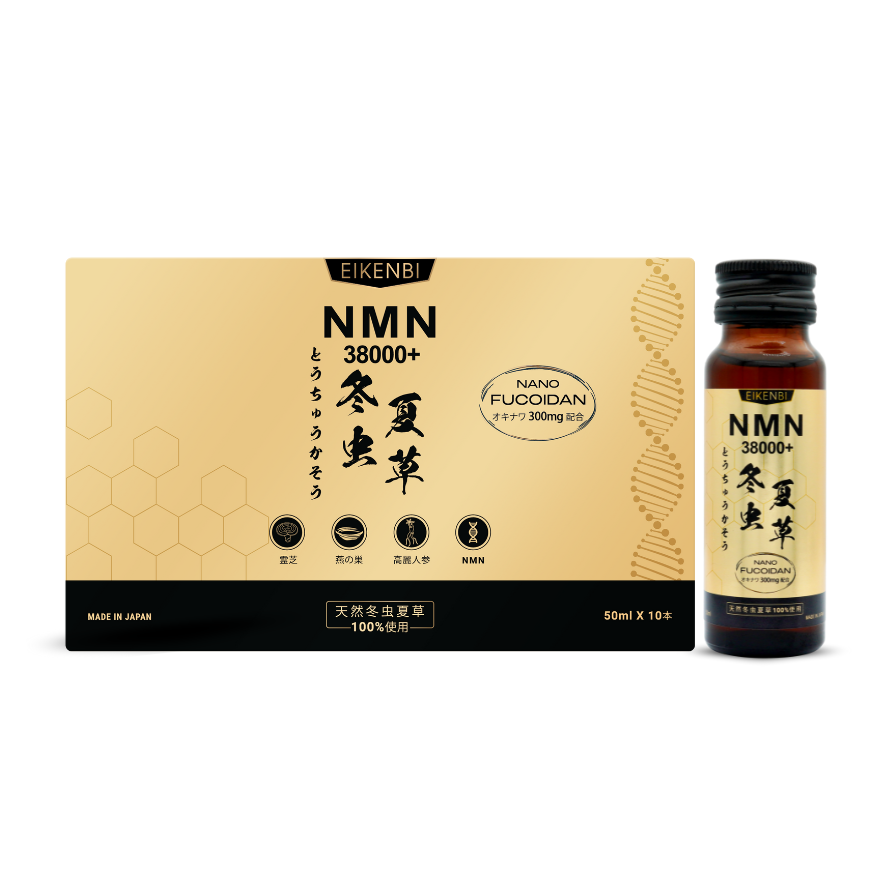
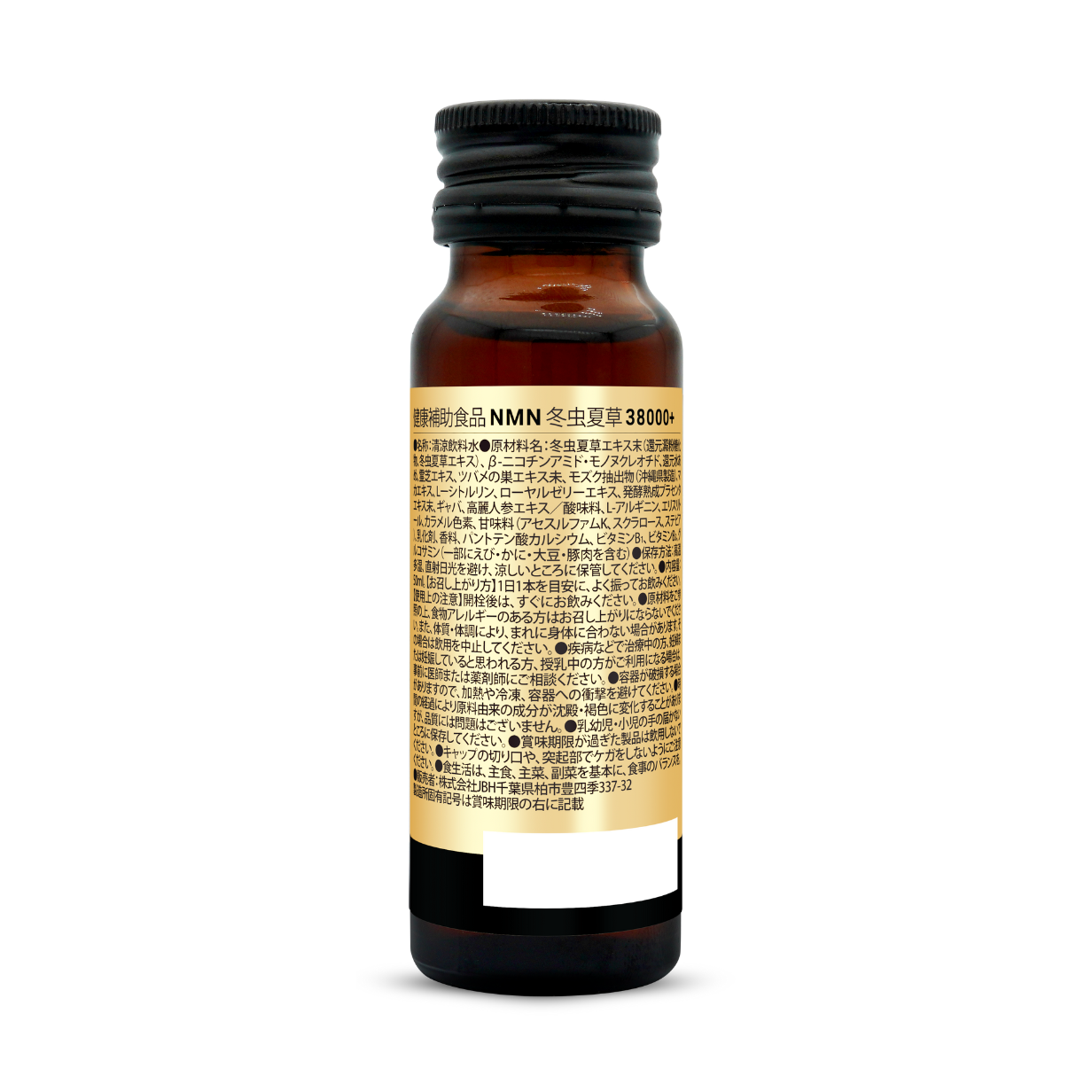
Among the Japanese NMN supplements available on the market, NMN 38000+ Eikenbi is an option for those interested in a formulation that combines NMN (Nicotinamide Mononucleotide) with other nutrients. The product is promoted for supporting SIRT1 activity, helping protect DNA, and supporting cellular renewal, with the aim of maintaining a youthful appearance as the body ages.
In addition, the product is marketed for supporting immune function, hormonal balance, and overall wellness. It is also intended to support skin health, including skin smoothness and elasticity, while helping reduce the appearance of dark spots and wrinkles. Actual results may vary, and these benefits should not be interpreted as guaranteed treatment effects.
If you are interested in a liquid NMN supplement, you may also consider NMN Cordyceps Supplement Eikenbi. Combining a high NMN content with Cordyceps, the product is positioned as a Japanese-inspired approach to supporting health and beauty from within. Its liquid formulation offers an alternative to capsules for people who prefer liquid supplements. The product is marketed for supporting cellular health, immune function, energy levels, and recovery as part of a wellness routine.
FAQ: Frequently Asked Questions About NMN
How Long Does It Take for NMN to Work?
The time required to notice any effects from NMN supplementation can vary depending on individual factors, dosage, and lifestyle. Some product-related information suggests that changes may become noticeable after two to three months of consistent use, but this timeframe is not guaranteed and is not firmly established for every potential benefit. Follow the product's directions and consult a qualified healthcare professional if you are unsure whether NMN is suitable for you.
Is NMN a Medication?
No. NMN supplements are not medications and should not be used to treat diseases or replace prescribed medication. They are dietary supplements intended to support nutritional and wellness goals. Although NMN has been studied for its potential role in increasing NAD+ levels and supporting cellular energy metabolism, its benefits for human health remain an area of ongoing research.
Can NMN Be Used Long Term?
There is currently insufficient evidence to establish a universally appropriate long-term NMN supplementation schedule or to recommend a standard cycle of three to six months followed by a one-month break for everyone. If you are considering long-term use, follow the product instructions and consult a healthcare professional, particularly if you have an underlying medical condition, take medication, or are considering NMN for age-related health concerns.
Does NMN Have Side Effects?
The safety of NMN supplementation is still being investigated, particularly with regard to long-term use. Some studies have reported that NMN is generally well tolerated over the periods examined, but this does not establish that it is safe for everyone or under all conditions. Possible side effects and individual responses may vary. If you experience digestive discomfort, headaches, sleep disturbances, dizziness, or skin irritation while taking a supplement, stop using it and seek advice from a healthcare professional.
Conclusion
NMN has attracted considerable interest for its potential role in cellular energy metabolism and healthy aging. By participating in the pathways involved in NAD+ production, NMN may offer a promising area for further research into maintaining cellular function as we age. However, its long-term benefits and effectiveness for slowing human aging have not yet been fully established.
If you are interested in Japanese NMN supplements, visit Eikenbi.com to explore a selection of health and wellness products from Japan. Review each product's ingredients, quality information, and usage instructions to find an option that suits your needs.



![Premium Lutein 60 Eikenbi Eye Supplement - Improve Vision & Protect Eyes Naturally [2 Boxes]](http://eikenbi.com/cdn/shop/files/premium-lutein-60-eikenbi-eye-supplement-improve-vision-protect-eyes-naturally.jpg?v=1778555680&width=1500)
![Premium Lutein 60 Eikenbi Eye Supplement - Improve Vision & Protect Eyes Naturally [2 Boxes]](http://eikenbi.com/cdn/shop/files/l_lutein_m_t_2.jpg?v=1778657250&width=1500)





![Premium Lutein 60 Eikenbi Eye Supplement - Improve Vision & Protect Eyes Naturally [2 Boxes]](http://eikenbi.com/cdn/shop/files/premium-lutein-60-eikenbi-eye-supplement-improve-vision-protect-eyes-naturally.jpg?v=1778555680&width=1080)